
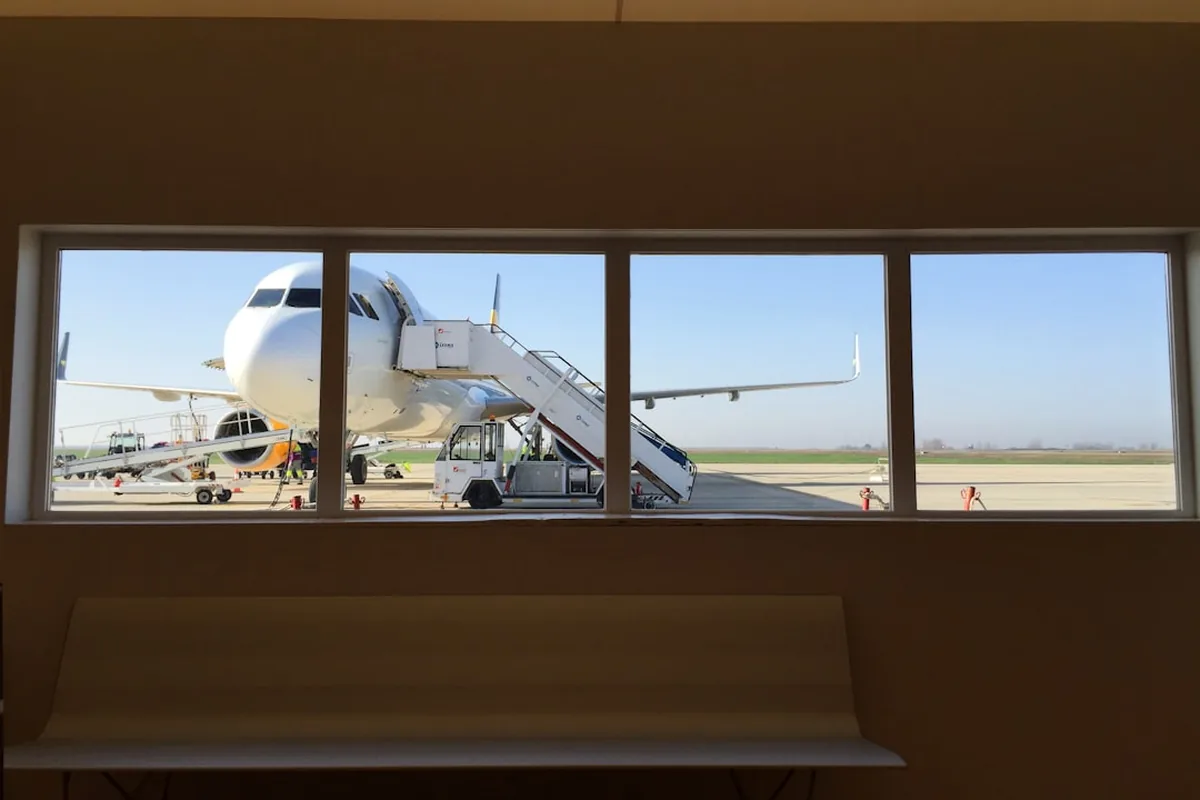
The planned North Bali Airport aims to alleviate congestion at Ngurah Rai, offering increased capacity and boosting northern Bali’s tourism and infrastructure development.
Understanding the Role of North Bali Airport
The North Bali International Airport (NBIA), positioned in Kubutambahan, Buleleng Regency, is set to transform Bali’s aviation landscape. Not only is it designed to ease the current pressure on Ngurah Rai International Airport, but it also seeks to stimulate economic growth in the northern regions of Bali. This development aligns with the Indonesian government’s strategic initiative to spread tourism and its economic benefits more evenly across the island. With Bali being a major tourist destination, the need to diversify visitor experiences and reduce congestion in the south is becoming increasingly apparent.
Currently, Ngurah Rai Airport, located 13 km south of Denpasar, handles all commercial flights into Bali, serving approximately 24 million passengers annually. With its capacity being pushed to the limits, a new airport in the north is seen as a necessary step to accommodate the expected influx of tourists and prevent future congestion. The airport aims to offer an alternative gateway to the island, further enhancing Bali’s reputation as a first-rate tourist destination.
Strategic Location
The location of NBIA in Kubutambahan, approximately 90 km north of Denpasar, plays a crucial role in its intended function. Unlike the heavily trafficked south, northern Bali offers a more relaxed atmosphere, with attractions like Lovina Beach, known for its dolphin-watching tours, and the serene waterfalls of Buleleng such as Gitgit and Sekumpul. The airport’s strategic placement along the northern coast is expected to make these quiet spots more accessible to international tourists, potentially increasing visitor traffic to these lesser-known areas.
Traveling from Denpasar to Kubutambahan currently takes about 2.5 to 3 hours by road, depending on traffic conditions. However, with the planned infrastructure developments, this travel time is expected to decrease significantly. The development of a 60 km toll road and the extension of railway services are intended to provide more efficient transportation options, enhancing the overall accessibility of the northern region.
Comparing Capacity: North Bali Airport vs Ngurah Rai
Ngurah Rai International Airport is undergoing planned expansion efforts to increase its capacity from 24 million to 32 million by 2026, and up to 55 million in the long term. However, the North Bali Airport is designed to handle up to 50 million passengers annually, which is more than double Ngurah Rai’s current capacity. This significant increase in capacity is crucial for managing the projected rise in passenger numbers over the next decade. The addition of NBIA is expected to distribute air traffic more evenly across the island, reducing the strain on Ngurah Rai and improving overall travel experiences for visitors to Bali.
This capacity enhancement is not only about accommodating more flights but also about offering a better travel experience. With more terminal space, better facilities, and state-of-the-art technology, the new airport aims to provide a seamless and efficient travel experience for both domestic and international travelers.
Infrastructure Enhancements
To support the increased capacity and ensure efficient connectivity between the north and south of Bali, several infrastructure projects are in the pipeline. A 60 km toll road connecting Kubutambahan to Mengwi and a railway extension linking to Ngurah Rai Airport are planned. These developments aim to shorten travel times significantly, making it easier for passengers to transit between the two airports.
The toll road is expected to cut travel time between the north and south by more than half, while the railway extension will provide a quick and scenic alternative for those preferring public transport. Additionally, improvements in local road infrastructure, including the expansion of existing roads and the construction of new routes, are anticipated to further enhance connectivity.
Economic and Tourism Impact
The introduction of NBIA is poised to have a profound impact on Bali’s economy, particularly in the north. Historically, the southern part of Bali has been the primary tourist hub, leading to a disparity in economic development. NBIA is set to change this by opening up the north to more tourism and investment opportunities. This is expected to foster growth in the real estate sector and create jobs, contributing to a more balanced economic landscape on the island.
With increased accessibility, attractions such as the cultural village of Munduk and the scenic coastal town of Amed could see a rise in tourist numbers. Munduk, known for its traditional Balinese culture and coffee plantations, offers a unique experience for visitors seeking an authentic taste of Bali. Meanwhile, Amed’s tranquil beaches and excellent diving spots are likely to attract more adventure and nature enthusiasts.
This increased footfall can potentially lead to further development of tourist facilities and services, enhancing the visitor experience in these areas. Local businesses, including hotels, restaurants, and tour operators, stand to benefit from the anticipated rise in tourism, which could lead to improved amenities and services for all visitors.
Construction Timeline and Challenges
While the project was reinstated into the Priority National Projects list in 2025, the construction of the North Bali Airport has faced several delays. Initially set to begin in mid-2025, the project’s timeline has been pushed back, with the first operational phase now targeted for 2027–2028. Full completion may occur as early as 2030, although this remains subject to confirmation by the Transport Ministry.
Challenges such as land acquisition have been significant barriers to progress, but recent developments indicate a stronger political commitment and active advancements in this area. The project’s inclusion in Indonesia’s National Medium-Term Development Plan demonstrates its importance at the national level, suggesting a higher likelihood of eventual completion.
Environmental Considerations and Community Impact
As with any large-scale infrastructure project, environmental considerations are paramount. The construction of the North Bali Airport must balance development with the preservation of Bali’s unique ecosystems. This involves careful planning and implementation of sustainable practices to minimize environmental impact.
Additionally, community impact assessments are crucial to ensure that the local population benefits from the project. This includes engaging with local communities to address concerns, offering employment opportunities, and ensuring that the development contributes positively to the local economy. The goal is to create a harmonious relationship between the new infrastructure and the communities it will serve.
Drive Times and Accessibility
One of the key considerations for travellers will be the drive times from various parts of Bali to the new airport. From Denpasar, it is approximately a 90-minute journey to the north. For those staying in Lovina, the drive is a more convenient 40 minutes. Meanwhile, from Amed, you can expect a similar 90-minute drive as from Denpasar.
These drive times are crucial for planning trips, especially for those considering using the airport as a point of entry or departure. With the completion of the toll road and railway, these travel times are expected to improve, enhancing the overall connectivity and accessibility of the new airport.
Your Travel Connection
As Bali prepares for these transformative changes, reliable transport will be more important than ever. Our fixed-price airport transfer services offer convenience and peace of mind as you navigate Bali’s evolving landscape. If you’re arriving at Ngurah Rai or planning ahead for the opening of the new North Bali Airport, our services ensure a smooth transition.
For those keen to explore Bali without the hassle of navigating unfamiliar roads, consider our full-day car charter service starting from $45. Our knowledgeable drivers can help you discover the island’s hidden treasures at your own pace. Book a private transfer with us today, or book a private transfer on WhatsApp for a seamless travel experience.