
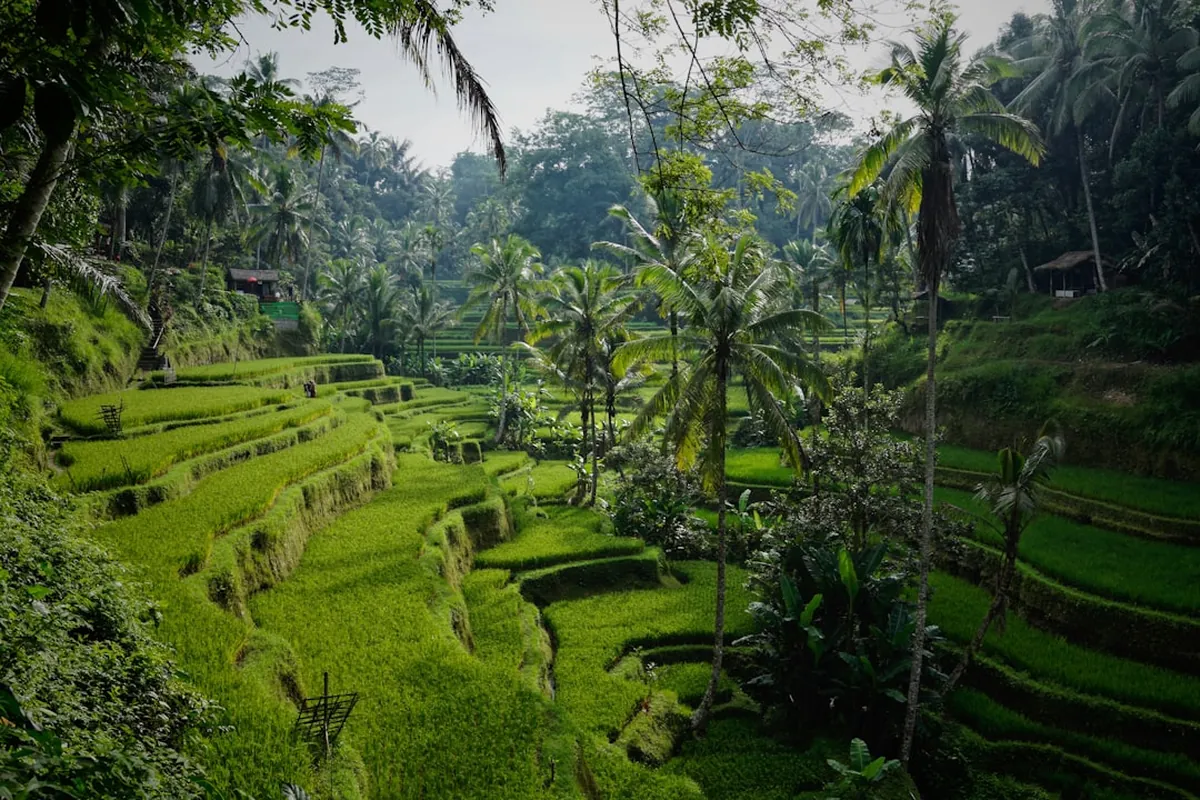
Explore the 2026 KITAS Second Home Visa in Bali, a 5 or 10-year residency option for foreigners meeting specific financial or property criteria. Ideal for those investing in North Bali’s promising real estate market.
Understanding the Second Home Visa in Bali
The KITAS E33, commonly referred to as the Second Home Visa, represents an attractive opportunity for individuals seeking residency in Indonesia. By 2026, this visa allows foreign nationals, or former Indonesian citizens, to reside in the country for up to 10 years. However, it does not permit employment within Indonesia.
Eligibility Criteria for the Second Home Visa
Property Ownership Route
The primary pathway to qualify for this visa is through the acquisition of luxury real estate in Indonesia. The property must be valued at a minimum of USD 1,000,000 and should be held under Hak Pakai (right to use), as long-term leases do not satisfy the requirements.
Financial Alternative
Those not interested in property investment can opt for the financial alternative. This involves maintaining a balance of at least USD 130,000 in an Indonesian bank account, ensuring this amount is verifiable upon immigration request.
Passport Validity
A crucial requirement includes having a passport valid for at least 36 months, ensuring sufficient time for visa completion and processing.
Family Sponsorship Options
The KITAS E33 visa holders have the privilege to sponsor their family members, including spouses, children, and parents, aligning with the main visa’s validity period. It’s important to note that family permits will expire once the main permit does.
Cost of the Second Home Visa in 2026
- New 5-Year Second Home ITAS (E33): IDR 35,000,000
- 5-Year Renewal: IDR 38,000,000
- Family ITAS: New – IDR 30,000,000, Renewal – IDR 33,000,000
These costs include a 5-year Multiple Re-entry Permit (MREP), allowing for seamless travel in and out of the country.
North Bali Property Investment Opportunities
Key Locations
For those considering property investment, North Bali offers several promising locations:
- Sanghyang Tikir: Known for its coastal charm and villa-friendly environment, perfect for luxurious living.
- Pemuteran: An emerging area with potential for luxury investments, close to eco-tourism spots.
- Lovina Beach: A well-established market with active property opportunities and surfing appeal.
- Banjar: An inland cultural hub with a growing expat community, offering unique investment prospects.
Exploring the Future of North Bali Airport
While the proposed Sumber Klampok Airport is yet to confirm its opening date, the anticipated airport is expected to enhance accessibility to North Bali, potentially boosting property values and tourism.
Understanding Foreigner Property Ownership in Bali
Foreigners looking to invest in North Bali real estate must navigate Indonesia’s property ownership laws. The most common method is through a leasehold agreement, where foreigners can lease land for up to 80 years. Alternatively, they can buy property through an Indonesian nominee or establish a foreign-owned company (PMA) to hold property titles under Hak Pakai.
Hak Pakai Explained
Hak Pakai is a type of legal title that allows foreigners to use and occupy a property but not own it outright. This right is usually valid for a set period, which can be renewed according to the prevailing regulations.
Potential Risks and Considerations
Investors should be aware of the legal complexities and potential risks, including changes in regulations and the need for proper legal guidance to ensure compliance with Indonesian laws.
The Cultural and Natural Appeal of North Bali
North Bali is not only a hotbed for real estate but also a captivating destination for cultural and natural exploration. The region boasts stunning waterfalls such as Gitgit and Sekumpul, which are popular with both tourists and locals. The area is also home to traditional Balinese villages where visitors can experience local customs and ceremonies.
Eco-Tourism and Marine Life
Pemuteran is celebrated for its commitment to eco-tourism, with efforts like the coral reef restoration project that protect marine biodiversity. The nearby Menjangan Island offers first-rate diving spots, making it a haven for diving enthusiasts.
Cultural Richness
The town of Singaraja, once the capital of Bali, is rich in Dutch colonial history and Balinese culture, with attractions like the Gedong Kirtya library and the Pura Beji temple in Sangsit.
Community and Lifestyle in North Bali
North Bali is home to a thriving expatriate community, offering a tranquil lifestyle with a blend of modern amenities and traditional charm. The area provides an array of international schools, wellness retreats, and diverse dining options, making it a perfect spot for families and retirees alike.
Local Cuisine and Markets
The region is famous for its vibrant markets, where locals and expats alike can enjoy fresh produce and traditional Balinese dishes. Culinary experiences often include satay lilit, a Balinese specialty, providing a taste of the island’s rich culinary heritage.
Wellness and Retreats
With its serene landscapes, North Bali hosts numerous wellness centers and retreats, offering yoga, meditation, and holistic health practices. These retreats provide an opportunity to rejuvenate and embrace a holistic lifestyle amidst the island’s natural beauty.
Connectivity and Infrastructure Developments
North Bali is witnessing significant improvements in infrastructure that could further enhance its appeal. Road networks are being upgraded to facilitate better connectivity between towns and tourist attractions, which is crucial for both residents and visitors.
Public Services
The expansion of public services, including healthcare and educational facilities, is also part of the region’s development agenda. New clinics and hospitals are being established, ensuring that both locals and expatriates have access to quality medical care.
Digital Connectivity
Efforts are underway to improve digital connectivity, with the installation of fiber-optic networks aimed at providing high-speed internet access across North Bali. This development is particularly beneficial for digital nomads and remote workers seeking a tranquil environment without compromising on connectivity.
Local Art and Craftsmanship
North Bali is renowned for its vibrant art scene, where traditional Balinese craftsmanship thrives alongside contemporary artistic expressions. Local artisans specialise in intricate woodcarvings, stone sculptures, and batik textiles, which are deeply rooted in Balinese culture and spirituality.
Artisan Villages
Villages like Ubud and Kamasan are well-known for their artisan communities, where visitors can witness craftsmen at work and even participate in workshops. These villages offer a unique glimpse into the artistic heritage of Bali and are a must-visit for art enthusiasts.
Supporting Local Crafts
Purchasing directly from these communities not only ensures the authenticity of the art but also supports the local economy. Many expatriates and tourists alike are drawn to these handcrafted items, which serve as both unique souvenirs and investments in Bali’s cultural legacy.
Traditional Festivals and Celebrations
The cultural of North Bali is further enriched by its traditional festivals and celebrations, which offer a vivid insight into the island’s vibrant heritage. These events are deeply woven into the social fabric of Balinese life, with each festival marked by unique rituals and communal gatherings.
Omed-Omedan Festival
One of the most unique events is the Omed-Omedan Festival, also known as the ‘Kissing Festival’, held in the village of Sesetan in Denpasar. This lively event is a cherished tradition where unmarried youths participate in a playful tug-of-war, symbolising unity and community bonding.
Galungan and Kuningan
Galungan and Kuningan are among the most significant religious celebrations, marking the victory of dharma over adharma. These festivals are celebrated with offerings, dances, and temple ceremonies, where locals dress in traditional attire, and streets are adorned with penjor—bamboo poles decorated with young coconut leaves.
Prominent Wildlife and Natural Reserves
North Bali is not only a cultural hub but also a sanctuary for diverse wildlife and natural reserves that are pivotal to the region’s ecological balance. These areas offer a haven for nature enthusiasts and contribute significantly to conservation efforts.
Bali Barat National Park
Bali Barat National Park is a protected area that spans over 190 square kilometres, housing a variety of flora and fauna, including the endangered Bali Starling. This park provides opportunities for trekking, bird watching, and exploring the rich biodiversity of the region.
Conservation Initiatives
Numerous conservation initiatives are active in North Bali, focusing on the preservation of marine life and forest ecosystems. These initiatives often involve local communities and international partnerships, underlining the importance of sustainable practices in protecting Bali’s natural heritage.
If you’re considering a move or investment in North Bali, our concierge service offers introductions to local experts, ensuring a smooth transition and investment process. For those seeking premium support, our VVIP Investment Center provides tailored services for discerning clients.
For more information or assistance, talk to our North Bali team on WhatsApp.