
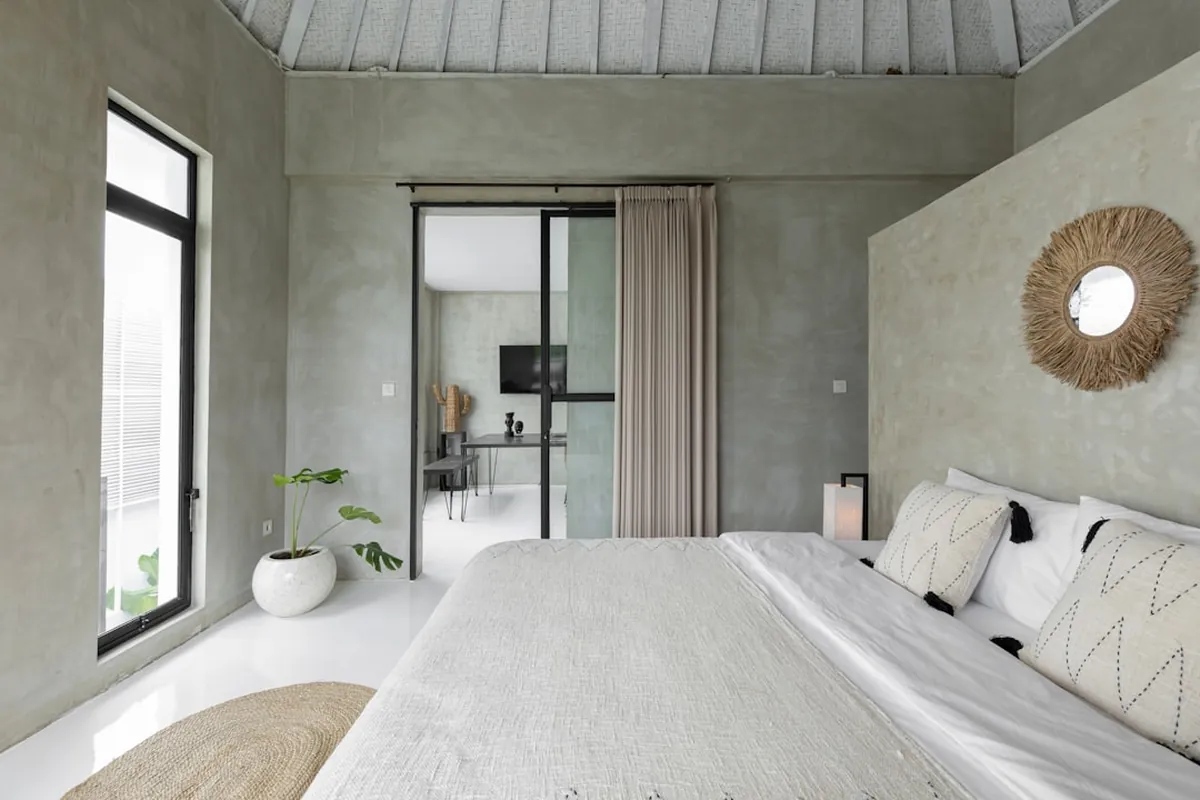
In 2026, discerning investors are evaluating North Bali against Canggu. With North Bali’s emerging infrastructure and Canggu’s established market, each offers unique opportunities. Explore the potential and challenges of both regions for smart investments.
As Bali continues to capture the imagination of investors worldwide, the focus is increasingly drawn to the contrasting prospects of North Bali and Canggu. Each region presents distinct opportunities and challenges for those looking to make smart investments in 2026.
Understanding North Bali vs Canggu Investment
The strategic decision to invest in either North Bali or Canggu hinges on your investment goals, risk appetite, and timeline.
North Bali: Emerging Potential
North Bali, encompassing areas like Amed, Tejakula, and the Buleleng coast, offers a landscape of untapped potential. This underdeveloped region is characterised by lower land prices and a burgeoning tourism infrastructure, making it ideal for long-term land appreciation and eco-resorts. Investors seeking early opportunities might find these emerging areas promising for sustainable growth.
- Land Prices: Entry prices for off-plan villas can range from $90,000 to $180,000, offering an affordable entry into Bali’s property market.
- Eco-Resorts: The region’s natural beauty provides a foundation for eco-resort developments, aligning with global trends towards sustainable tourism.
Canggu: Established Market
Canggu, including Pererenan, Berawa, and Umalas, remains the primary investment corridor in Bali. Dominating 33.5% of all property transactions, Canggu is a hub of activity with the highest concentration of rental properties. The area offers immediate rental yields, albeit at a higher entry cost.
- Property Prices: Central Canggu’s premium pockets have entry prices around $345,000 per are (~100 m²), reflecting its popularity and demand.
- Rental Yields: Canggu offers net ROIs between 9.5% and 13.8%, making it attractive for investors seeking immediate returns.
Infrastructure and Development
The impending development of the North Bali International Airport is a significant factor influencing the investment landscape.
North Bali International Airport
Approved by President Prabowo in July 2025 with a $3 billion Chinese investment, the North Bali International Airport is set to bolster the region’s accessibility. While construction is expected to begin in 2027, with phased operations soon after, the lack of a confirmed opening date introduces an element of uncertainty.
- Impact: Once operational, the airport is anticipated to drive tourism, enhance accessibility, and potentially increase property values in North Bali.
- Considerations: Investors should weigh the potential upside against the current uncertainty surrounding the airport’s timeline.
Legal and Compliance Considerations
Understanding the legal landscape is crucial for any property investment in Bali.
Ownership and Zoning
Foreigners are unable to own freehold property in Indonesia. Instead, options such as leasehold (Hak Pakai) or establishing a PT PMA are utilised. Moreover, compliance with zoning regulations is non-negotiable. Properties in the Pink Zone are eligible for short-term rentals, whereas those in Yellow or Green zones cannot legally operate as such.
- Compliance Deadline: Properties must align with zoning and compliance requirements by March 31, 2026, to avoid penalties.
- Legality Premium: Properties with clear zoning, permits, and tax compliance are increasingly outperforming non-compliant counterparts.
Market Trends and Projections
Bali’s property market is stabilising post-pandemic, with a notable shift towards sustainable and well-structured investments.
Price Growth
Property prices in established areas are projected to grow by 5-10% annually, while emerging areas like North Bali offer stronger upside potential. The median sold price in Q3 2025 was $299,000, reflecting the overall upward trend.
Exploring Cultural and Lifestyle Attractions
North Bali is not only about investment potential; it’s also about experiencing a different side of Bali that is rich in culture and natural beauty.
Lovina Beach
Famous for its black sand beaches and tranquil waters, Lovina Beach is a great spot for dolphin watching. Early morning boat trips offer a chance to see pods of dolphins in their natural habitat, making it a unique attraction for tourists.
Gitgit Waterfall
Located in the lush highlands of North Bali, Gitgit Waterfall is one of the island’s most picturesque spots. The waterfall is easily accessible and offers a peaceful retreat away from the more crowded tourist areas in the south.
Community and Lifestyle in North Bali
The lifestyle in North Bali is markedly different from the lively south. Here, life moves at a slower pace, providing an opportunity to immerse oneself in the local culture.
Local Communities
North Bali is home to vibrant communities that offer a glimpse into the traditional Balinese way of life. Festivals, temple ceremonies, and local markets provide a rich cultural experience for residents and visitors alike.
Wellness Retreats
The serene environment of North Bali is ideal for wellness retreats. Yoga studios, meditation centers, and holistic healing facilities are increasingly dotting the landscape, attracting visitors seeking relaxation and rejuvenation.
Conclusion: Making the Right Choice
Choosing between North Bali and Canggu involves weighing immediate returns against future potential. North Bali offers long-term land appreciation with lower entry costs, ideal for those willing to wait for the region’s infrastructure to mature. Conversely, Canggu’s established market offers immediate rental yields but at a higher price point.
For personalised guidance on investing in North Bali, talk to our North Bali team on WhatsApp. Explore our investment guide and learn more about the opportunities near the North Bali International Airport. For those seeking exclusive insights, visit our VVIP Investment Center.
Environmental Considerations and Sustainability
Investors in North Bali are increasingly aware of the importance of environmental considerations and sustainability in their projects. Given the region’s natural beauty, there’s a growing emphasis on maintaining ecological balance.
Eco-Friendly Developments
Developers are focusing on eco-friendly construction practices to minimise environmental impact. This includes the use of sustainable materials, solar energy, and water conservation technologies. Projects that integrate these elements are attracting eco-conscious investors looking to align their portfolios with global sustainability trends.
Conservation Efforts
Local initiatives are underway to preserve North Bali’s unique ecosystems. Community-led conservation projects, often supported by foreign investors, focus on protecting marine life, reforestation, and maintaining biodiversity. These efforts not only enhance the region’s appeal but also contribute to its long-term viability as a sustainable investment destination.
Economic Impact of Tourism in North Bali
Tourism is a key driver of economic growth in North Bali, influencing investment decisions and regional development strategies.
Tourism’s Role in Economic Development
The influx of tourists to North Bali has spurred local businesses, from small family-run shops to larger hospitality ventures. This growth has created jobs, increased local incomes, and enhanced the overall economic landscape. As tourism continues to rise, so too does the demand for accommodation and related services, presenting lucrative opportunities for investors.
Challenges and Opportunities
While tourism boosts the economy, it also poses challenges such as overdevelopment and resource strain. Investors must navigate these issues carefully, balancing profit with sustainability. Opportunities exist in developing boutique hotels, organic farms, and cultural experiences that cater to mindful travellers seeking authentic Balinese experiences without the environmental footprint.
Future Prospects for North Bali’s Real Estate Market
Looking ahead, North Bali’s real estate market holds promising prospects, driven by a combination of strategic infrastructure developments and lifestyle trends.
Potential Growth Areas
Areas such as Singaraja and Pemuteran are gaining traction as potential growth hotspots. With improved infrastructure and connectivity, these regions are becoming more accessible, attracting both tourists and investors. The strategic development plans set for these areas are likely to enhance their appeal further, positioning them as future investment hubs.
Long-Term Vision
The long-term vision for North Bali involves a balanced approach to development, preserving cultural heritage while embracing modern amenities. Investors with a forward-thinking approach will find opportunities in projects that integrate technology with tradition, tapping into both the luxury and sustainable tourism markets. As North Bali evolves, it promises to offer a unique blend of investment potential and cultural richness.