
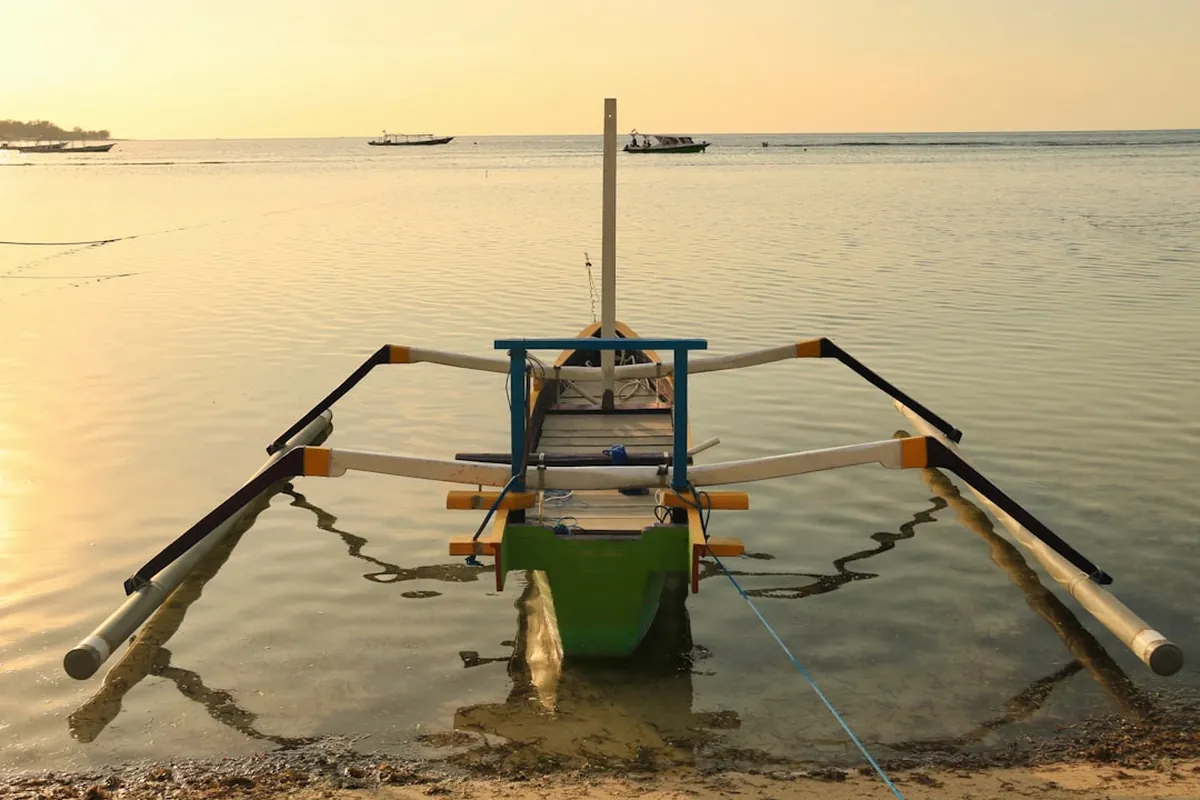
North Bali tourism in 2026 is poised for growth, driven by sustainable travel and a shift from low-quality tourism. Discover key destinations and strategic trends shaping the region’s future.
North Bali Tourism 2026: Strategic Growth
The year 2026 presents a promising outlook for North Bali tourism, with a noticeable trend towards sustainable and high-quality experiences. As the island shifts away from mass tourism, the North stands out with its unique attractions and cultural offerings. This transition aligns with Indonesia’s broader strategy to enhance the quality of its tourism sector.
Tourism Outlook & Concrete Figures for 2026
International Arrivals
Projections for 2026 suggest that Bali could welcome between 6.5 to 7.5 million international tourists, influenced by an increasing demand for sustainable tourism experiences. This shift is expected to benefit North Bali, which is rich in nature and cultural experiences.
Domestic Surge in Badung
Badung Regency, serving as the primary gateway to North Bali, is projected to experience significant domestic tourism growth. The forecast estimates approximately 13.4 million domestic trips in 2026, with peaks in holiday seasons.
January 2026 Baseline
In January 2026, Bali Province recorded over 502,205 foreign tourist arrivals, reflecting a seasonal adjustment. North Bali’s appeal continues to rise, leveraging its tranquil environment and cultural richness.
Strategic Trend
Bali’s 2026 tourism strategy includes new regulations demanding proof of financial stability from foreign tourists, aiming to attract quality visitors. This change is part of a broader initiative to ensure a sustainable tourism model.
Real North Bali Places & Development Drivers
Key Destinations
- Sangeh: Known for its monkey forest, Sangeh offers an intriguing natural experience.
- Batur: The volcano and lake provide memorable views and adventure opportunities.
- Kintamani: Famous for its coffee, Kintamani is a hub for cultural immersion.
- Lovina: Offers serene dolphin watching experiences, appealing to nature lovers.
Cultural Immersion
North Bali’s diverse heritage positions it well for cultural immersion tourism, a growing trend in 2026. Visitors increasingly seek authentic experiences, making North Bali a prime destination.
Competitiveness Strategy
Bali’s ongoing efforts to enhance its competitiveness include smarter travel planning and regional development, with North Bali playing a crucial role in these initiatives.
Airport Status (Sumber Klampok)
Current Status
The proposed Sumber Klampok Airport remains unconfirmed as of mid-2026, impacting direct international traffic to North Bali. This necessitates reliance on road access from existing airports.
Impact
The absence of an operational airport means North Bali’s tourism growth relies heavily on domestic travel networks and existing infrastructure.
Indonesian Property & Visa Rules (Relevant to North Bali)
Visa Requirements
Foreign visitors must comply with national Indonesian visa policies, including the new 2026 requirement for proof of financial stability upon entry.
Property Ownership
Foreign ownership in North Bali adheres to national regulations, which restrict freehold ownership. Leasehold options like “Hak Pakai” are available, typically for 25-30 years, extendable.
Uncertainty Flag
Specific regional property incentives or lease rates are not detailed in current data; it’s advisable for investors to consult local notaries for precise information.
Ecotourism Opportunities in North Bali
Marine Conservation Efforts
North Bali’s commitment to sustainability is reflected in its marine conservation projects. Areas like Pemuteran Bay are at the forefront, hosting coral restoration initiatives that draw eco-conscious travelers. The region’s dive sites not only offer spectacular underwater experiences but also serve as educational platforms for marine biology enthusiasts.
Agro-Tourism Potential
Agricultural tourism is gaining traction in North Bali, with local farms offering tours and experiences centered around organic farming and traditional Balinese agriculture. The lush coffee plantations in Munduk provide interactive tours where visitors can learn about cultivation processes and sample local brews, enriching their understanding of Bali’s agrarian lifestyle.
Local Community Engagement
Community-Based Tourism
Engaging local communities in tourism initiatives is a priority in North Bali, fostering a model that benefits both visitors and residents. Villages such as Menyali and Tigawasa are developing community-based tourism programs, offering homestays and cultural workshops that provide authentic insights into Balinese life while supporting local economies.
Artisan Crafts and Workshops
North Bali is a haven for traditional crafts, with local artisans offering workshops in weaving, carving, and painting. These activities not only preserve cultural heritage but also provide travelers with hands-on experiences that deepen their appreciation for Balinese artistry. Engaging in such workshops allows visitors to create personal mementos while supporting the local creative community.
Natural Wonders and Adventure Tourism
Hiking and Trekking
North Bali’s rugged landscape offers numerous opportunities for hiking and trekking, attracting adventure enthusiasts from around the world. Trails such as those leading to the summit of Mount Batur provide challenging yet rewarding experiences, with panoramic views of Bali’s stunning countryside. These treks are often guided by locals, offering insights into the region’s flora and fauna.
Water-Based Adventures
The pristine waters of North Bali offer water-based activities. From snorkeling and diving in the vibrant coral reefs of Menjangan Island to kayaking along the serene coastlines, the region is a paradise for water sports lovers. Tour operators emphasize sustainable practices, ensuring that these adventures are both thrilling and environmentally responsible.
Culinary Tourism in North Bali
Farm-to-Table Experiences
North Bali’s culinary scene is increasingly embracing the farm-to-table movement, offering visitors a taste of locally sourced, organic cuisine. Restaurants and cafes in the region highlight seasonal ingredients from nearby farms, providing a unique dining experience that reflects the island’s agricultural heritage. Cooking classes are also available, allowing tourists to learn traditional Balinese recipes.
Local Markets and Food Tours
Exploring the local markets is a must for any food enthusiast visiting North Bali. Markets such as those in Singaraja offer an array of fresh produce, spices, and traditional snacks. Guided food tours provide deeper insights into Balinese culinary traditions, with opportunities to taste exotic fruits, savoury satays, and the renowned Balinese suckling pig.
Wellness and Retreat Tourism
Holistic Healing
North Bali is emerging as a centre for wellness tourism, offering a range of holistic healing experiences. Retreats focusing on yoga, meditation, and detox programs are set amidst the tranquil landscapes, providing a serene escape from the hustle and bustle of daily life. These retreats often incorporate traditional Balinese healing practices, enriching the wellness journey.
Spa and Relaxation
The region is home to numerous spas that offer rejuvenating treatments using natural, locally sourced ingredients. From volcanic mud wraps to coconut oil massages, these spas provide a luxurious way to unwind and reconnect with oneself. The emphasis on natural therapies ensures that visitors leave feeling revitalized and in harmony with the natural surroundings.
Conclusion & Next Steps
North Bali’s trajectory towards sustainable tourism and cultural richness sets it apart as a desirable destination in 2026. With strategic developments and a focus on quality, the region offers significant opportunities for discerning travelers and investors. For more insights or to plan your journey, talk to our North Bali team on WhatsApp.