
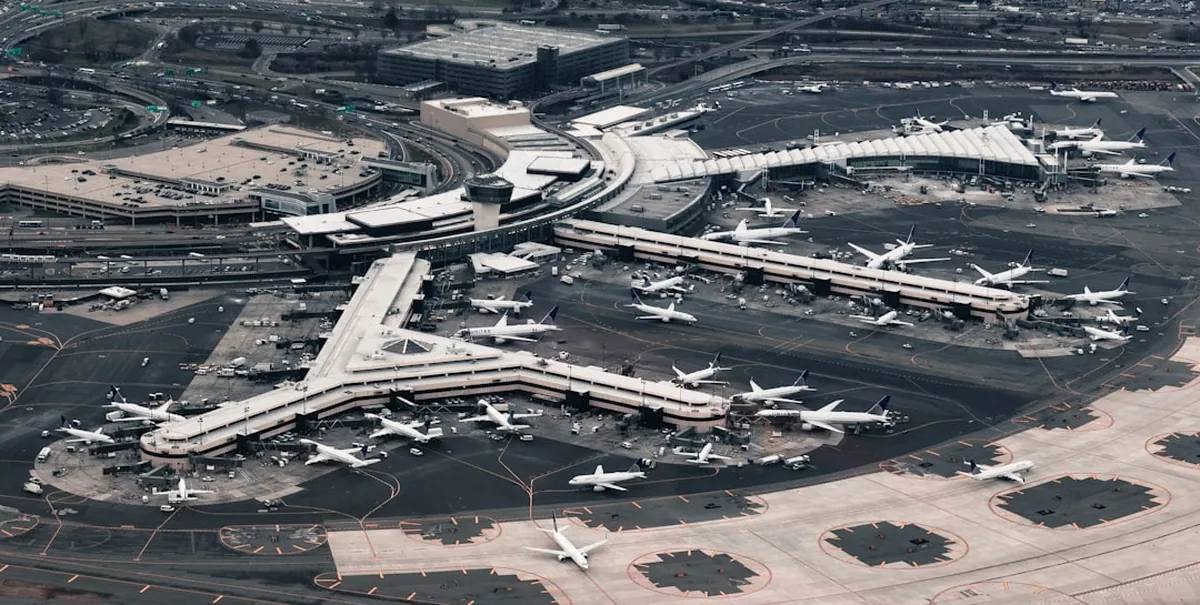
Explore the uncertain timeline for the North Bali International Airport with potential openings from 2027 to 2030. Current land disputes and location changes impact progress.
North Bali Airport Timeline
The North Bali International Airport (NBIA) remains a proposed project with no confirmed opening date. While political approval exists, construction has not yet started, and the timeline is uncertain between 2027, 2028, or 2030 due to land disputes and shifting locations.
Current Status & Location Uncertainty
Proposed Status
The airport is officially proposed and included in Indonesia’s National Medium-Term Development Plan (RPJMN 2025–2029). This inclusion underscores governmental intent, yet the complexities surrounding location and land acquisition delay progress.
Location Shift
Initially planned for Kubutambahan in Northeast Bali, the project was sidelined due to existing long-term leases on the land, rendering acquisition unfeasible. Consequently, the focus shifted to Sumberklampok Village in Buleleng/Gerokgak, Northwest Bali.
Land Dispute at New Site
Despite the shift, Sumberklampok residents oppose the project, with a 600-hectare land dispute. This includes 200 hectares under HGU title, which complicates construction commencement.
Contradictory Official Claims
Local elders confirm the dispute, contradicting the Transportation Ministry’s Director General’s 2024 assurance that the land is free from disputes. This contradiction flags unresolved issues, despite provincial government guarantees.
Projected Timeline (2027 vs. 2028 vs. 2030)
- 2027–2028 Target: An operational phase is targeted for 2027–2028 if land issues are swiftly resolved.
- 2027 Start: Minister Thohir’s statement from 2024 suggested a 2027 construction start, aligning with the operational target.
- 2030 Risk: Continued land disputes could push the timeline to 2030 or beyond.
Capacity Goals
The planned capacity aims for 50 million passengers annually, making it Indonesia’s second-largest airport. Initial projections suggest 30 million passengers, but the long-term goal remains 50 million.
Investment
The estimated investment is USD 3 billion (IDR 50 trillion), reflecting the scale and ambition of this infrastructure project.
Exploring North Bali: Beyond the Airport
Cultural Heritage and Attractions
North Bali offers rich cultural experiences, such as the historic Pura Ulun Danu Bratan temple, which sits serenely on Lake Beratan. Additionally, the Brahmavihara-Arama Buddhist Monastery provides a peaceful retreat with stunning vistas of the surrounding hills.
Natural Wonders
The region is home to natural treasures like the Gitgit Waterfall, a popular site for both locals and tourists. The surrounding rainforest is a haven for trekking enthusiasts, offering trails that lead to memorable views of the lush landscape.
Marine Adventures
Lovina Beach, famous for its calm seas and dolphin sightings, is a major draw for visitors. Snorkeling and diving at Menjangan Island bring you face-to-face with vibrant coral reefs and diverse marine life.
The Economic Impact of the Airport
Potential Benefits
The proposed airport could transform North Bali’s economic landscape by boosting tourism and creating job opportunities. Increased accessibility is expected to attract international visitors and investors, fostering local business growth.
Community Concerns
While the development promises benefits, local communities express concerns about environmental impacts and cultural disruption. Engaging with stakeholders is crucial to address these issues and ensure sustainable development.
Infrastructure and Connectivity
The airport’s construction is likely to spur infrastructure improvements in the region, including roads and public transport, enhancing connectivity and accessibility for residents and tourists alike.
Understanding Property and Visa Regulations
Foreign Ownership Challenges
Foreigners cannot own freehold property (Hak Milik) in Indonesia. Instead, options include leasehold (Hak Pakai) or through a PT PMA structure. These avenues require careful navigation and professional advice.
Visa Regulations
Indonesia offers various visa options, including the social-cultural visa for extended stays. The recent introduction of the Second Home Visa aims to attract wealthy foreigners and retirees, allowing stays of up to 10 years.
Cultural Festivals and Local Traditions
Unique Festivals in North Bali
North Bali is home to a variety of vibrant festivals that highlight the region’s rich cultural . One such festival is the Buleleng Festival, which showcases traditional Balinese music, dance, and culinary delights. This annual event attracts both locals and tourists, providing a platform for cultural exchange and community bonding.
Traditional Crafts and Artistry
The region is also renowned for its traditional crafts, particularly in weaving and wood carving. Villages such as Singaraja are known for their skilled artisans who produce intricate textiles and ornamental carvings. These crafts not only serve as a source of income for local families but also help preserve the cultural heritage of North Bali.
Sustainable Tourism Initiatives
Eco-Friendly Accommodations
North Bali is increasingly focusing on sustainable tourism to preserve its natural beauty and cultural integrity. Several eco-friendly resorts have emerged, offering accommodations that adhere to sustainable practices. These resorts often use locally sourced materials, implement waste reduction programs, and support community-based tourism initiatives.
Community Involvement
Sustainable tourism efforts in North Bali are characterised by strong community involvement. Local communities are encouraged to participate in tourism planning and management, ensuring that tourism development aligns with local needs and priorities. This participatory approach helps mitigate the negative impacts of tourism while enhancing the positive benefits for residents.
Regional Cuisine and Gastronomy
Distinct Flavours of North Bali
The culinary scene in North Bali is as diverse as its landscapes, offering a unique blend of traditional Balinese flavours and local ingredients. Specialties such as lawar, a spicy mix of vegetables and coconut with minced meat, and babi guling, a suckling pig dish, are must-try delicacies that reflect the region’s culinary heritage.
Farm-to-Table Experiences
Many restaurants in North Bali are embracing the farm-to-table movement, sourcing fresh produce from local farms to create authentic and sustainable dining experiences. Visitors can enjoy meals prepared with seasonal ingredients, supporting local agriculture and reducing the carbon footprint associated with food transportation.
Marine Conservation Efforts
Protecting Marine Biodiversity
North Bali’s marine ecosystems are not only a draw for tourists but also a critical component of the region’s environmental health. Efforts are underway to protect these biodiverse waters from the threats of overfishing and pollution. Local NGOs collaborate with fishing communities to promote sustainable practices and marine conservation education.
Coral Reef Restoration
Initiatives aimed at restoring and preserving coral reefs around Menjangan Island and other coastal areas are making significant strides. These projects often involve local communities in reef monitoring and rehabilitation efforts, ensuring that conservation work is both effective and inclusive.
Adventure Tourism Opportunities
Exploring National Parks
Adventure seekers will find plenty to explore in North Bali’s national parks, such as Bali Barat National Park. This protected area offers a range of activities from hiking to bird watching, with trails that provide glimpses of native wildlife and panoramic views of the Bali Sea.
Water Sports and Activities
Beyond traditional sightseeing, North Bali provides numerous opportunities for water sports like kayaking, windsurfing, and stand-up paddleboarding. The calm waters of Lovina Beach and the surrounding areas are ideal for both beginners and experienced enthusiasts looking to enjoy Bali’s marine environments.
Historical and Archaeological Sites
Ancient Temples and Relics
North Bali is rich in historical sites, including ancient temples that offer insights into the region’s past. The Pura Beji temple in Sangsit, for instance, is renowned for its intricate carvings and historical significance, serving as the area’s spiritual and cultural heritage.
Archaeological Discoveries
Recent archaeological discoveries have further highlighted North Bali’s historical importance. Excavations in the region have unearthed artefacts that date back centuries, providing valuable information about the early inhabitants of Bali and their way of life.
Conclusion
The North Bali International Airport’s timeline is mired in uncertainty, influenced by unresolved land disputes and shifting plans. Learn more about the opening timeline and explore our comprehensive overview for deeper insights. For those interested in the investment potential, our investment guide provides valuable context.
For personalised advice, talk to our North Bali team on WhatsApp.