
Singaraja, North Bali’s historic capital, offers a unique blend of colonial history and Balinese culture. This guide reveals its rich heritage and key sites, from ancient temples to lively markets. Explore Singaraja’s past and present, and discover why it remains a must-visit destination in Bali.
The Historical Significance of Singaraja
Singaraja, once the Dutch colonial capital of Bali and the Lesser Sunda Islands, is steeped in history. From 1849 until 1960, it served as the island’s primary port and administrative hub. This rich colonial past is still evident in the architecture and layout of the city. Its streets echo tales from the past, making it a fascinating destination for history enthusiasts.
The city was founded on March 30, 1604, by Raja Panji Sakti of the Buleleng Kingdom. The name “Singaraja,” meaning “Lion King,” stems from this era, named after the ruler Anak Agung Pandji Sakti. As the administrative seat of Buleleng Regency, it covers 46.94 km² and had a population of 153,930 in 2022, making it Bali’s second-largest city after Denpasar.
Singaraja’s significance isn’t just historical; it’s also cultural. The city remains a vibrant center for Balinese tradition, with numerous temples and cultural landmarks offering insights into the island’s rich spiritual heritage. Visitors can witness traditional ceremonies and festivals that highlight the unique cultural fabric of the region.
Exploring Singaraja’s Key Attractions
Visitors to Singaraja can explore a variety of attractions that reflect its historical and cultural significance. The old Singaraja harbor is a notable tourist spot, featuring the Pura Segara Temple and the nearby Ling Gwan Kiong Chinese temple. These sites are perfect for those interested in the religious and cultural diversity of Bali. Situated near the harbor, the Pura Segara Temple is a serene spot where locals often come to pray, offering a peaceful atmosphere amidst the lively port activities.
The Gedong Kirtya Museum, founded in 1928, is the world’s largest repository of lontar (palm-leaf manuscripts), holding over 4,000 ancient Balinese texts. These manuscripts cover literature, mythology, history, and religion, offering a unique glimpse into the island’s past. Within the same complex, the Museum Buleleng showcases local art, photographs, and the history of Buleleng, housed in a 19th-century pavilion. Both museums provide guided tours that enrich the visitor’s understanding of Bali’s historical narrative.
Another must-visit is the Puri Agung Singaraja, the royal palace built in 1604. Still inhabited by the royal family, parts of the palace are open to the public, displaying artifacts and documents that narrate the royal lineage and history. The palace grounds are a sign to the architectural grandeur of the past, with intricately carved gates and lush gardens that invite leisurely exploration.
Historical Sites Around Singaraja
Beyond the city, several historical sites provide a deeper understanding of Bali’s past struggles and resilience. Pura Dalem Jagaraga in Jagaraga Village marks the site of the 1849 “Puputan Jagaraga” war, where Balinese forces valiantly resisted Dutch invaders. The carvings at this temple tell stories of that era, a poignant reminder of Bali’s resistance efforts. The temple is located about 10 km southeast of Singaraja, a short 20-minute drive through scenic landscapes.
Another significant site is Pura Beji in Sangsit village. Known for its intricate stone carvings, Pura Beji is a subak temple dedicated to the rice goddess, Dewi Sri. Its architecture and artistic details make it a standout among Bali’s temples. The temple is located approximately 8 km from Singaraja, making it a convenient stop on a day trip exploring the region.
Natural Beauty and Relaxation Near Singaraja
While Singaraja itself is rich in historical sites, the surrounding area offers natural attractions that are perfect for those looking to unwind. Pantai Skip, located to the north of the city, provides stunning sunset and sunrise views, although it’s not suitable for swimming due to its rocky shoreline. A nearby fishing pier offers a glimpse into local life, where you can see fishermen at work. The beach is a 15-minute drive from the city center, offering a tranquil escape from the urban bustle.
Just a short drive from Singaraja, Lovina Beach is famous for its dawn dolphin-watching tours. The waters off Lovina are home to spinner dolphins, and the early morning boat trips provide a memorable wildlife encounter. These tours typically start around 6 AM, with boats departing from the beach’s main area, about 10 km west of Singaraja.
Further afield, Gitgit Waterfall is another popular spot, offering a refreshing escape into nature. Located about 20 km south of Singaraja, the waterfall is a 30-minute drive through lush countryside. The hike to the falls is a moderate trek, taking about 20 minutes through a verdant jungle path.
For relaxation, the Banjar Natural Hot Springs are a great option. These thermal waters, set amidst lush gardens, provide a soothing experience. Located approximately 18 km from Singaraja, the hot springs are easily accessible by a 25-minute drive. Nearby, the Pulaki Temple is worth a visit, not just for its cultural significance but also for the hundreds of monkeys that inhabit the area. The temple offers panoramic views of the coast, making it a favorite for photography enthusiasts.
Sampling Local Cuisine
A visit to Singaraja is incomplete without sampling the local cuisine. The city is home to a variety of eateries that offer traditional Balinese dishes. Warung Bambu Pemaron, located just outside the city, is a popular spot for authentic Balinese food. Don’t miss trying the bebek betutu (spiced duck) and babi guling (suckling pig), both local delicacies that showcase the rich flavors of Balinese cooking.
In the city center, the Pasar Anyar Singaraja (Singaraja Market) is a lively hub where you can taste a variety of street foods. Try the jaje laklak (rice flour pancakes) and jaje uli (glutinous rice cakes), popular snacks that are a part of Bali’s culinary heritage. The market is also a great place to buy fresh tropical fruits and spices, perfect souvenirs from your trip.
Getting to Singaraja
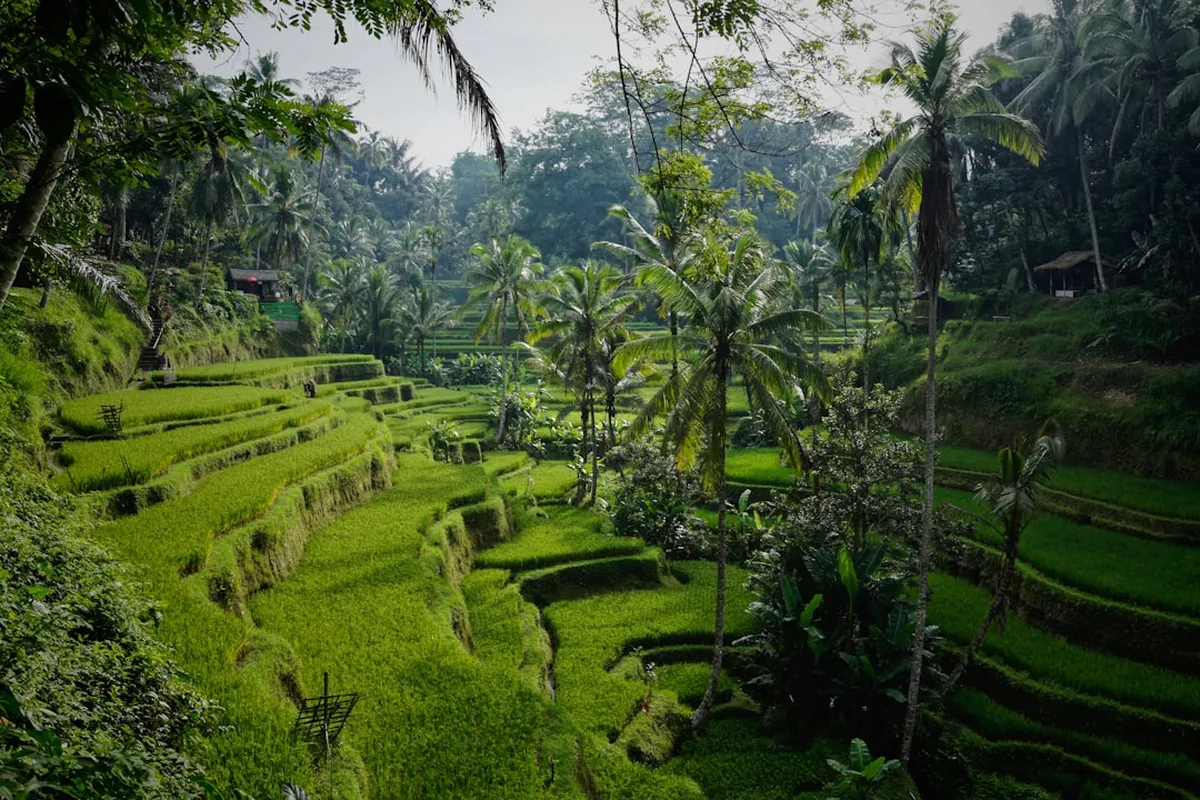
Singaraja is approximately 90 km north of Kuta, with a drive time of around 2.5 to 3 hours via the scenic Bedugul highlands route. The journey to Denpasar is slightly longer at about 100 km, taking approximately 2.5 hours depending on traffic conditions. Despite the distance, the drive offers memorable views of Bali’s inland scenery, including terraced rice fields and mountain vistas. The Bedugul route passes by the famous Ulun Danu Bratan Temple, where you can stop for a quick visit and capture stunning photos of the temple’s reflection on Lake Bratan.
To ease your travel, consider booking a private transfer with fixed prices. Our North Bali guide provides further details on the region’s offerings. For more on reaching Singaraja efficiently, check out our North Bali Airport Overview.
- Denpasar to Singaraja: $12 USD
- Kuta, Legian, Jimbaran to Singaraja: $15 USD
- Sanur to Singaraja: $17 USD
- Seminyak to Singaraja: $18 USD
- Canggu to Singaraja: $22 USD
Why Visit Singaraja?
Singaraja offers a unique combination of historical depth, cultural richness, and natural beauty. Its attractions provide insights into Bali’s colonial past and its enduring traditions. If you’re exploring ancient manuscripts or witnessing a traditional ceremony, Singaraja immerses you in a side of Bali that few other destinations can offer.
The city and its surroundings are ideal for those looking to experience Bali beyond the typical tourist trail. To deeper into the wonders of North Bali, explore our comprehensive list of things to do in North Bali.
Ready to explore Singaraja? Simplify your travel arrangements by booking a fixed-price private transfer. Secure your journey easily by book a private transfer on WhatsApp today.