
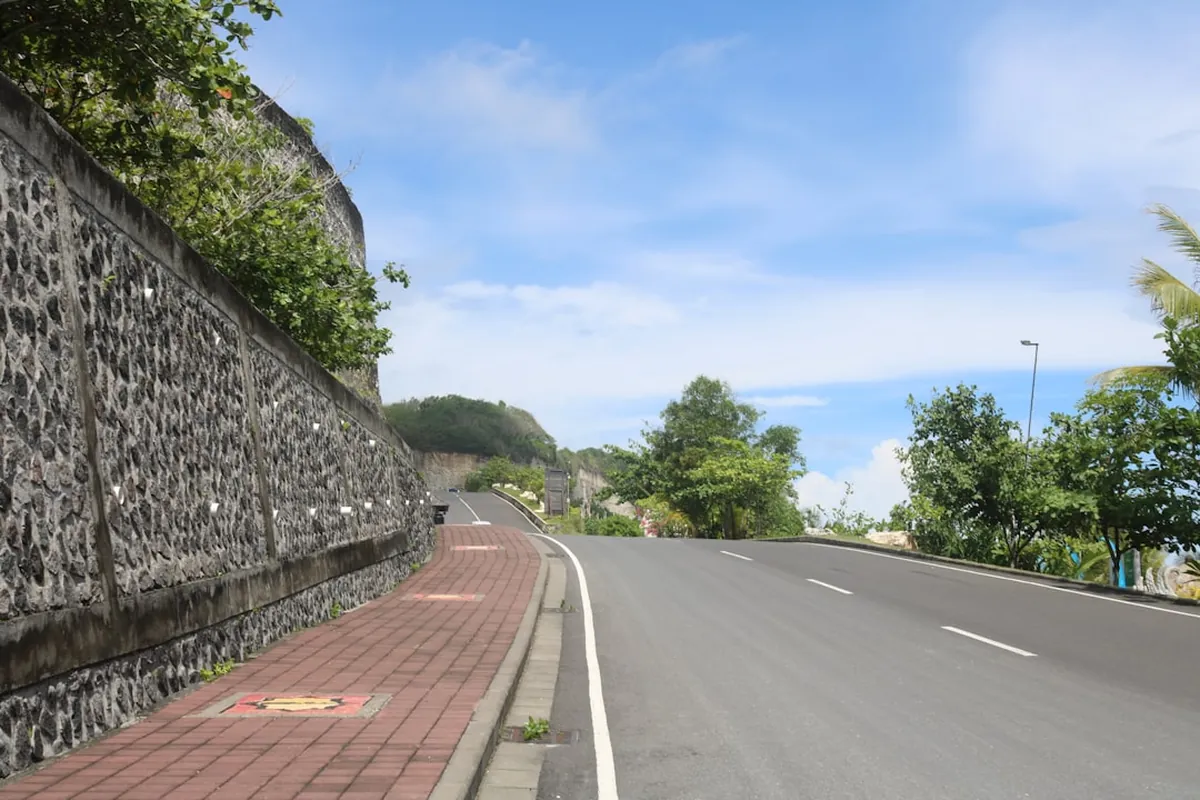
The future of North Bali infrastructure is shaping up with major developments including a proposed offshore airport in Buleleng, a new highway bypass, and evolving visa and property regulations. Stay informed about these pivotal changes and their impact on the region’s connectivity and investment opportunities.
North Bali Infrastructure: Key Developments
North Bali Airport (NBIA)
The proposed North Bali Airport (NBIA) is set to become a major fixture in the region’s infrastructure. Located offshore in Buleleng Regency, it is strategically positioned approximately 40 minutes from Lovina and 90 minutes from Amed.
- Status: Construction is slated to resume in 2026, with integration into Indonesia’s RPJMN 2025–2029 through Presidential Regulation No. 12 of 2025.
- Capacity: Initially designed for 10 million passengers annually, with potential expansion to accommodate up to 50 million.
- Timeline: Expected groundbreaking in 2025, with the first runway operational by the end of 2027.
- Design & Features: Encompasses a 900-hectare offshore site with three runways, including one for seaplanes, and Aerotropolis/Aerocity components.
- Investment: $3 billion foreign investment secured, with reports mentioning a Chinese consortium.
For a comprehensive overview, visit our North Bali Airport page.
Roads & Connectivity
Enhancements to road networks are pivotal in transforming North Bali into a more accessible and attractive destination.
- Singaraja–Mengwitani Highway Bypass: A $95 million investment aimed at reducing reliance on steep mountain roads, expected to boost tourism and agriculture by 2026.
- Jimbaran Underpass: A new underpass to ease congestion and improve access to the Bukit Peninsula and Nusa Dua.
- Mount Batur Access: New traffic management systems and a large parking hub for safer visits.
- Lembongan–Ceningan Bridge Upgrade: Replacement of the current motorbike-only bridge to allow cars and heavier traffic.
- New Toll Roads: Proposed routes connecting Gianyar to the North Airport and Mengwi to Gilimanuk are in the planning stages.
Explore investment opportunities in the area with our North Bali Investment Guide.
Cultural and Ecological Attractions in North Bali
Lovina Beach
Lovina Beach is renowned for its calm waves, black sand beaches, and dolphin sightings. It offers a serene alternative to the lively beaches of South Bali, allowing visitors to engage with local culture and nature. Early morning boat trips are popular for dolphin watching, and the area is dotted with quaint cafes and local markets.
Gitgit Waterfall
Situated near Singaraja, Gitgit Waterfall is one of the most accessible yet stunning waterfalls in Bali. The path to the waterfall is flanked by lush greenery and local vendors selling handicrafts, adding to the authentic experience. The waterfall itself offers a refreshing escape and is a perfect spot for photography and nature walks.
Brahmavihara-Arama
As the largest Buddhist monastery in Bali, Brahmavihara-Arama provides a peaceful retreat with panoramic views of the mountains and the coast. The monastery features meditation rooms, ornate architecture, and beautifully maintained gardens, making it a spiritual haven for both locals and tourists.
Indonesian Visa & Property Rules in 2026
Visa Regulations
Understanding visa regulations is crucial for anyone looking to travel or invest in Indonesia.
- Tourist Visa: Offers a 30-day visa-free entry for nationals of over 90 countries, with a 30-day visa-on-arrival option extendable once for a fee.
- Long-Term Visas: Includes KITAS for work, retirement, or investment, requiring sponsorship.
Property Ownership for Foreigners
Foreigners cannot own freehold property in Indonesia. Options include leasehold (Hak Pakai) or through a PMA company.
- Leasehold (Hak Pakai): Allows foreigners to lease land for a specific period.
- PT PMA: Establishing a foreign-owned company to acquire land.
For more information on property regulations, check our property guide.
Investment Opportunities in North Bali
Tourism Sector
With the development of new infrastructure and attractions, North Bali is poised for growth in the tourism sector. Investment in boutique hotels, eco-resorts, and adventure tourism facilities is expected to yield significant returns as the region becomes more accessible.
Agriculture and Eco-Tourism
North Bali’s fertile lands provide opportunities for agricultural investments, particularly in organic farming and agro-tourism. Initiatives that combine eco-friendly practices with tourist experiences can leverage the region’s natural beauty and attract environmentally-conscious travelers.
Local Culture and Heritage
Traditional Villages
North Bali is home to several traditional villages like Munduk and Sidetapa, where visitors can experience authentic Balinese culture. These villages offer insight into local crafts, dance, and ceremonies, providing a unique cultural immersion.
Historical Sites
The region boasts historical sites such as the Pura Beji Temple in Sangsit, known for its intricate carvings and significance in Subak, Bali’s traditional irrigation system. Exploring these sites offers a glimpse into the rich history and spirituality of the area.
Environmental Sustainability Initiatives
Marine Conservation Efforts
North Bali’s coastal areas are home to vibrant coral reefs and marine life. Efforts are underway to promote sustainable tourism and protect these ecosystems. Local NGOs collaborate with dive operators to educate tourists and encourage reef conservation practices.
Community-Based Tourism
Community-based tourism initiatives in North Bali aim to empower local communities while preserving cultural traditions. By involving residents in tourism activities, these projects ensure that economic benefits are distributed locally, fostering sustainable development.
Culinary Delights of North Bali
Local Specialties
North Bali offers a unique culinary landscape where traditional flavours are celebrated. Local dishes such as ‘lawar’ and ‘betutu’ provide an authentic taste of Balinese cuisine. These meals often feature locally sourced ingredients, including fresh seafood and tropical fruits, adding a distinctive flair to each dish.
Exploring the local markets in Singaraja or dining in a traditional ‘warung’ offers an immersive experience into the region’s culinary heritage. These establishments often serve dishes prepared using age-old recipes that have been passed down through generations, ensuring an authentic taste of Bali.
Farm-to-Table Experiences
In recent years, the farm-to-table movement has gained traction in North Bali, with several establishments offering menus focused on locally grown produce. Visitors can enjoy meals in scenic settings, sometimes even within the farms where the ingredients were sourced.
This approach not only supports local farmers but also ensures the freshest ingredients make it to the table. Culinary tours that include farm visits and cooking classes provide a deeper understanding of Balinese agriculture and gastronomy, making them a popular choice for food enthusiasts.
North Bali’s Wellness Retreats
Holistic Health Centres
North Bali is quickly becoming a hub for wellness seekers. With its tranquil environment and natural beauty, the region is ideal for holistic health centres offering yoga, meditation, and spa treatments. These centres attract visitors looking to rejuvenate and find balance away from the hustle of urban life.
Many retreats incorporate traditional Balinese healing practices, providing a unique blend of wellness options. Treatments often include local herbs and natural remedies, drawing on the island’s rich history of traditional medicine.
Sustainable Wellness Tourism
The emphasis on sustainability is also evident in North Bali’s wellness tourism. Many retreats are designed with eco-friendly practices in mind, using sustainable materials and renewable energy sources. This commitment to sustainability ensures that the wellness boom does not come at the expense of the local environment.
Visitors interested in wellness tourism will find a range of options, from luxury resorts to more rustic, nature-focused retreats, each offering a unique approach to health and wellbeing.
Art and Craft in North Bali
Traditional Art Forms
North Bali is a wealth of traditional art forms, from intricate woodcarvings to vibrant paintings. Local artisans often draw inspiration from the natural surroundings and spiritual beliefs that are central to Balinese culture. The villages of Tejakula and Sawan are renowned for their craftsmanship, offering visitors a chance to observe artisans at work.
These traditional art forms are not only the region’s rich cultural heritage but also serve as a vital source of income for local communities. Visitors can purchase unique handcrafted items, knowing their support directly benefits the artisans.
Contemporary Artistic Movements
While traditional arts remain a stronghold, North Bali is also witnessing a rise in contemporary artistic movements. Art galleries and exhibitions frequently showcase modern interpretations of Balinese themes, providing a platform for emerging artists.
These contemporary movements often blend traditional techniques with modern aesthetics, resulting in innovative works that reflect the evolving cultural landscape of North Bali. Engaging with these artistic expressions offers visitors a fresh perspective on Bali’s dynamic art scene.
For any queries or personalized assistance, talk to our North Bali team on WhatsApp.